We provide professional handicap ramp installation services in San Jose, CA for homes with stairs, elevated entryways, or accessibility barriers that limit safe access. Installation creates a gradual, stable transition between ground level and entrances to improve mobility and provide reliable accessibility. Request a quote today.
What Is a Handicap Ramp and When Is One Needed?
A handicap ramp is an inclined access surface that allows people using wheelchairs, walkers, scooters, or other mobility aids to safely enter and exit a building. Ramps are commonly installed when stairs create a barrier to independent access at homes, businesses, and public facilities.
How do suburban layouts and aging residential populations affect handicap ramp installation in San Jose?
San Jose’s suburban neighborhoods often feature single-story homes with a few raised entry steps that can become difficult over time. In areas like Willow Glen, Almaden Valley, and Evergreen, many properties were built before accessibility was a common design consideration. Ramps help provide smoother entry without major reconstruction.
What Is the Difference Between a Temporary and Permanent Handicap Ramp?
Temporary handicap ramps are typically modular systems that can be removed or relocated, while permanent ramps are built as fixed structures attached to the property. The right choice depends on how long accessibility is needed and whether future modifications are expected.
Can a Handicap Ramp Be Installed on Existing Steps?
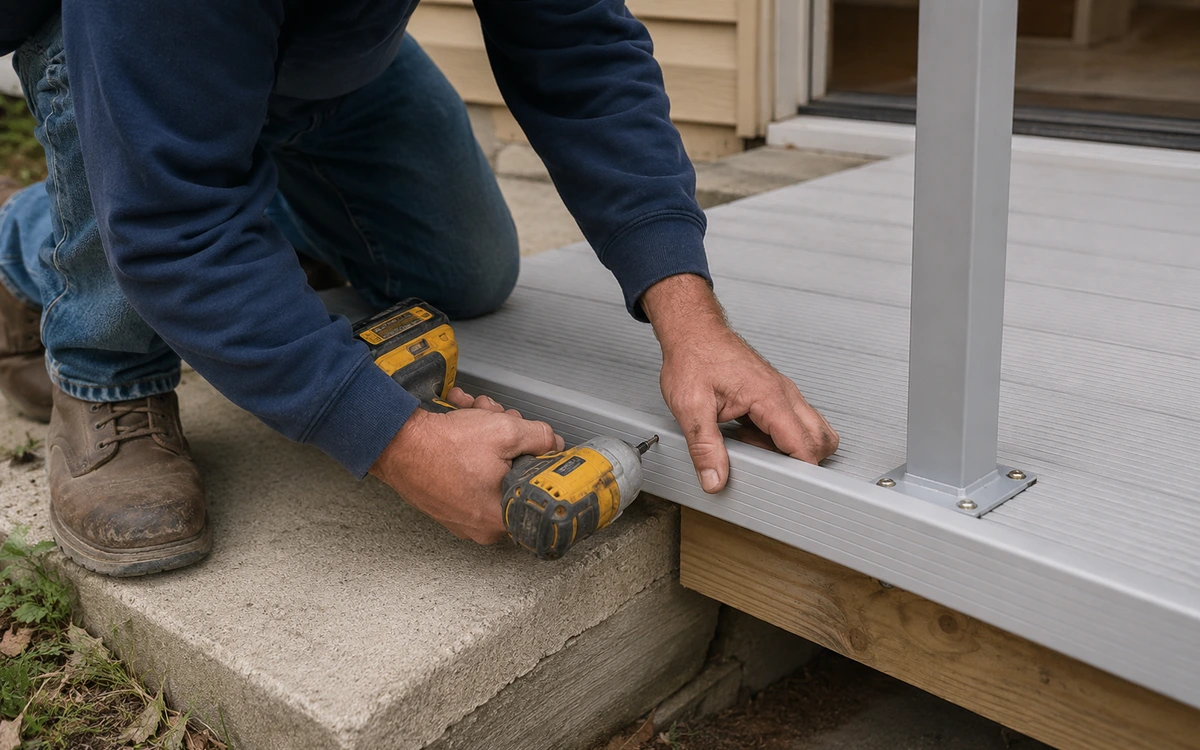
Yes, handicap ramps can often be installed over or alongside existing steps when there is enough space to maintain a safe slope and landing area. Proper layout is important to ensure the ramp remains stable, accessible, and easy to use.
What Materials Are Best for Outdoor Handicap Ramps?
Aluminum is one of the most popular materials because it resists rust, requires little maintenance, and performs well in wet weather. Wood and concrete ramps are also used, but they typically require more upkeep over time.
Why Does a Handicap Ramp Need a Specific Slope?
Handicap ramps need a gradual slope so wheelchair users and people with limited mobility can navigate them safely without excessive effort. A ramp that is too steep increases the risk of falls, tipping, and loss of control during use.
Do Handicap Ramps Need Handrails and Landings?
Yes, many handicap ramps require handrails, level landings, and edge protection depending on the ramp's length, height, and intended use. These features improve stability, provide resting areas, and help prevent accidents during entry and exit.
How Much Does Handicap Ramp Installation Cost in San Jose, CA?
Handicap ramp installation costs in San Jose, CA typically range between $2,268 and $13,608, with typical pricing depending on ramp length, height requirements, layout complexity, and accessibility of the installation area. Pricing can also vary based on ramp material selection, landing and handrail requirements, site grading conditions, permit requirements, and whether the ramp must be designed to meet ADA accessibility standards.